
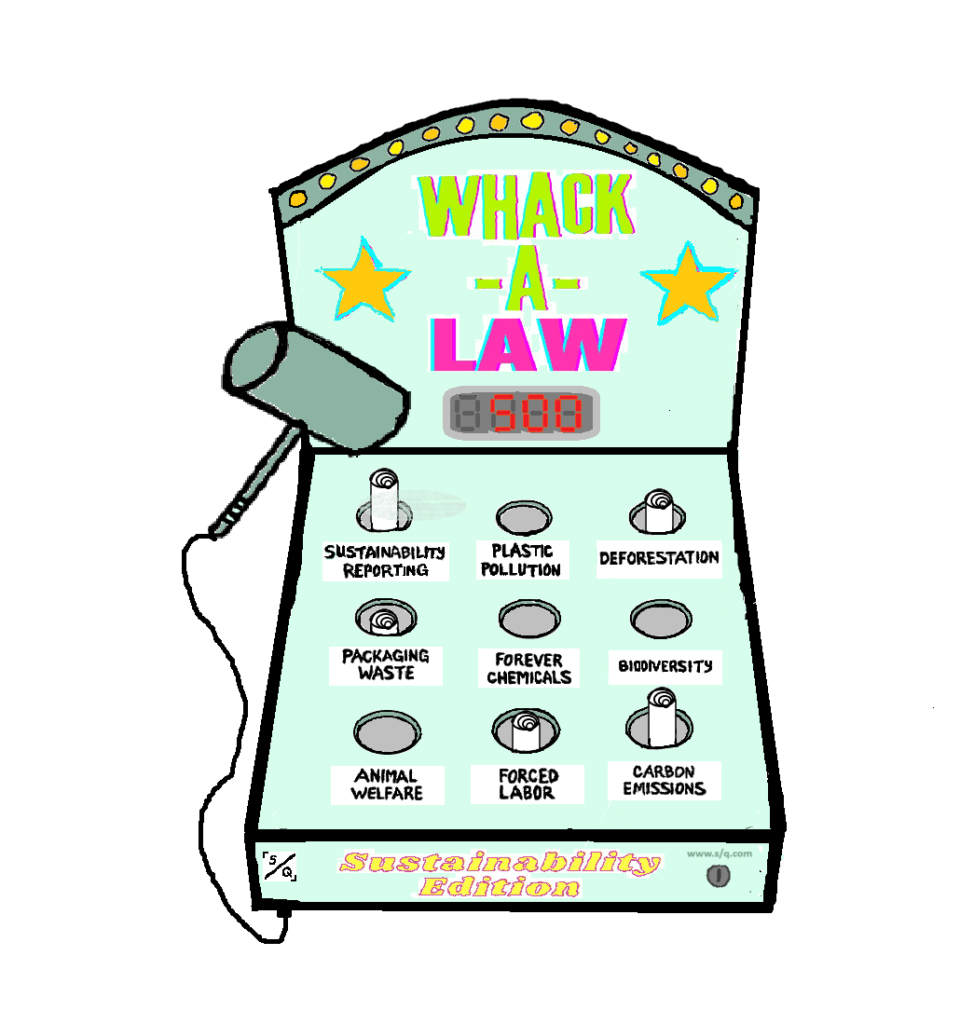
Sustainability laws, referring to laws that curb degenerative human activity, are not new. Rather, recent regulations have broadened the scope of conduct subject to scrutiny. These regulations fall into three overlapping categories:
1. Laws of Direct Application
These are the oldest sustainability laws. They directly regulate conduct in areas that contribute to sustainability. These laws are passed in specific countries or states and place direct obligations on businesses or individuals to comply.
Examples: Environmental laws, labor laws, human rights laws, consumer protection laws.
2. Laws of Indirect Application
These laws regulate third-party actions or cumulative impacts and often apply extraterritorially (regulating conduct that occurs internationally). These laws place obligations on businesses or individuals operating in one country concerning the conduct of third parties or the impact of their products or services. Often, laws of indirect application impose both direct and indirect obligations.
Examples: Anti-corruption laws, Extended Producer Responsibility (EPR), modern slavery laws.
3. Transparency or Reporting Laws
These laws require reporting on compliance with the first two categories (laws of direct and indirect application) and are, therefore, a combination of the two. They represent the newest form of sustainability laws, in particular laws requiring ESG disclosures. Many new transparency and reporting laws are specifically focused on responding to climate change.
Examples: Corporate Sustainability Reporting Directive, Sustainable Finance Disclosure Regulation.